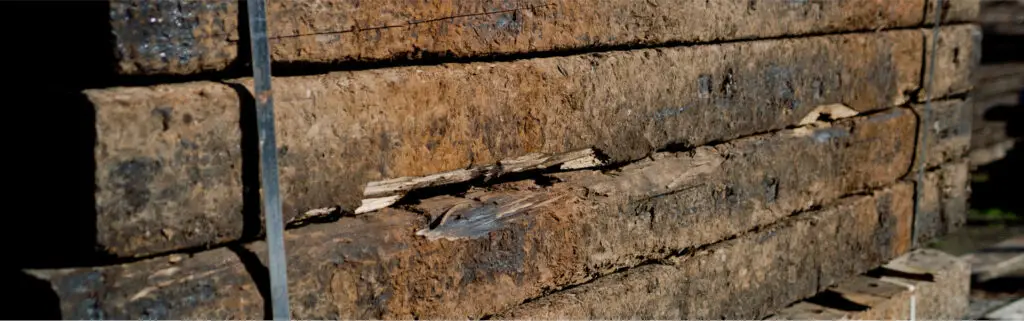
Interlink supplies reclaimed hardwood beams for builders, architects, designers and homeowners throughout New Zealand. Our beams are salvaged from decommissioned bridges, wharves, wool sheds and industrial buildings — each one carries a unique history and patina that cannot be replicated.
Available in oak, jarrah, ironbark and mixed Australian hardwoods. Typical applications include exposed ceiling beams, pergola structures, mantelpieces, benchtops, feature posts, and structural retaining. Call 0508 468 375 for beam dimensions, pricing and delivery.
Many marvellous creations can be formed from Australian hardwood—no matter how many decades old or what its prior industrial function may have been. Some of the most versatile and popular reclaimed hardwood beams tend to be short, robust, and full of history (and sometimes rusty steel). These timbers, often measuring between 1 to 3 metres, are highly accessible to Kiwis—from CAD-savvy designers to late-night shed tinkerers, and everyone in between.
Revitalising and repurposing a reclaimed hardwood beam can be a drawn-out process, or if time is of the essence, it can be accelerated with a bit of extra effort, resources, and good old-fashioned elbow grease. Understandably, when working with heavy, long-lasting materials, one should expect to invest a proportionate amount of effort to enhance and beautify.

Interlink supplies reclaimed hardwood beams for builders, architects, designers and homeowners throughout New Zealand. Our beams are salvaged from decommissioned bridges, wharves, wool sheds and industrial buildings — each one carries a unique history and patina that cannot be replicated. Available in oak, jarrah, ironbark and mixed Australian hardwoods. Typical applications include exposed ceiling beams, pergola structures, mantelpieces, benchtops, feature posts, and structural retaining. Talk to Interlink about your beam requirements — we can advise on dimensions, species selection, structural suitability and delivery.
A Legacy of Infrastructure
These beams hail from historic bridge and wharf structures across Aotearoa, carrying with them a tangible sense of New Zealand’s industrial evolution—from the golden age of rail and shipping to today’s modern infrastructure upgrades. As engineering designs shift away from traditional timber in favour of manmade alternatives, these beautiful hardwoods are being retired from service—but not from usefulness.
Historically, shorter hardwood beams played a vital role in heavy infrastructure. In bridges, they served as crossbeams and stringers, supporting decking and distributing dynamic loads. These applications were most common throughout the 1950s and mid-20th century generally. In wharf and jetty structures, 1–3 metre lengths of Australian hardwood were used perpendicular to the main piles, supporting decking and bracing primary components. Their density made them ideal for resisting saltwater exposure and enduring decades of wear and tear from forklifts, cranes, trucks, and machinery.
Today, we see a stunning variety of rustic weathering, colouring, and reclaimed finishes across these timbers. Designers and installers often celebrate the presence of original bolt heads, nuts, chains, and plates—leaving them intact as part of the beam’s visual story.
Physical Restoration: Bringing Timbers Back to Life
Reclaimed hardwood beams can be transformed through a series of physical processes that restore their structural integrity and visual appeal:
- Cleaning and de-nailing: Remove surface debris, rust, and old fasteners. Pressure washing or wire brushing helps reveal the timber’s grain. It can be handy to have a flat head screw driver or other firm poking device to chisel out any imbedded stones and steel. Should one want to avoid staining or further deterioration of historic steel then a bit of Killrust™ can go a long way.
- Trimming and squaring: Cut to size while preserving characterful edges and imperfections. Decide what you want to keep and rough cut the big stuff of first, then refine with smaller saws, multitools, sandpaper and everything else to finetune the shape. ‘Docking’ or cutting off the ends can really transform a ratty, split piece into a tidy block.
- Stabilising cracks: Fill splits with epoxy resin or leave open for a rustic look. Reinforce with steel brackets or dowels if needed. Hardwood will last forever outside, but do consider how the ends, exposed grains and cracks might mature over time.
- Oiling and sealing: Apply natural oils (e.g. tung or linseed) to revive colour and add water resistance. Use UV-resistant sealants for outdoor installations. This can be a bit slow going if there are lots of exposed grains, ensuring to get into every nook and cranny. We should also remember that the NZ UV rays will fade most oils and seals, so either consider going darker initially, or allow for re-applications periodically for the first couple of seasons to reach the desired colouring.
These steps can not only enhance the timber’s appearance but also extend its lifespan—making it suitable for a wide range of applications, but more importantly makes it a piece of your own.

Garden Features: Rustic Charm Meets Kiwi Ingenuity
Short reclaimed beams are ideal for garden design, where their rugged charm contrasts beautifully with soft landscaping. Popular uses include:
- Retaining walls and garden edging: Durable and visually striking.
- Outdoor seating and furniture: A single 2m beam can become a bench seat, and can even use off-cuts to slip under the beam for added height.
- Pergola posts and trellis frames: Weathered beams add character to garden structures. Robust and sure to last.
- Sculptural elements: Upright beams can serve as standalone features or focal points. A great opportunity to let our custom flare and creativity to be seen. This is when we can really make a beam a part of the setting, and starting a new chapter of it’s history.
These applications celebrate the timber’s imperfections—turning wear and weathering into design assets.
Interior Design: Heritage in the Home
Inside the home, reclaimed hardwood beams offer warmth, texture, and authenticity. Their compact size makes them versatile for:
- Mantelpieces and shelving: A 1.5m beam becomes a stunning shelf or fireplace feature.
- Tabletops and countertops: Planed and sealed, these timbers make rich, durable surfaces.
- Feature walls and ceiling beams: Add heritage character to modern interiors.
- Stair treads: Strong and wear-resistant, perfect for high-traffic areas.
Whether used structurally or decoratively, these beams bring a sense of history into contemporary spaces.
Tips for Working with Reclaimed Timber
For Kiwi designers, tradies and DIY enthusiasts, here are a few practical tips:
- Use sharp tools: Australian hardwoods are dense—take your time and respect the grain. – Watch out for splinters!
- Preserve the story: Avoid over-sanding. Marks and holes add character. Consider keeping steel, etching marks and other story telling characteristics.
- Plan for weight: Ensure your installation is structurally sound. Aussie hardwood is heavy and needs to be settle in stably for many years to come. Not something we want to accidentally tip over in our day to day movements.
- Mix materials: Pair timber with steel, glass, or concrete for modern contrast. Use of other complimentary materials can subtly continue a theme or design aesthetic within the greater setting, and really makes the beam look right at home.

Sustainability and Sentiment
Reclaimed hardwood beams offer more than just aesthetic appeal—they’re a sustainable choice. By repurposing these materials, we reduce demand for new timber, lower carbon emissions, and honour the legacy of structures that once served our communities.
Each beam tells a story—not just of where it’s been, but of where it’s going, and who its going with. Whether it becomes a garden bench, a kitchen shelf, or a sculptural centrepiece, it continues to serve, inspire, and connect us to our shared history. Make it your own, make it a part of your history and reclaim a reclaimed hardwood beam this Spring.