Garden edging is more than just a tidy final addition—it is a practical and aesthetic tool that helps shape the landscape. No matter if you’re working with a sprawling backyard in Queenstown or a compact urban courtyard in Auckland, edging defines spaces, guides movement, and enhances an overall design. Railway sleepers, with their robust form and rustic charm offer a versatile solution for edging. They suit both traditional and modern garden styles and can work into many other uses within a setting.
Why do we garden edging?
Edging provides specific function but also contributes to the peripheral aspects of a setting. It can be one part of a total sum that beautifies and enhances any setting.
- Defining Areas: Lines, boundaries, zoning, segregating – all create balance and harmony with separated applications and changing terrains. Like separating a flower patch from a lawn or framing a vegetable bed within a larger garden.
- Sculpting flow and travel: Edging, particularly with railway sleepers and rustic timber can guide foot traffic, shape the landscape, and create a flow and feel that is intentional and inviting. This can enhance how we use and explore a setting and can greatly change our perceptions and experiences.
- Segregating Mediums: Edging helps keep materials in their place, whether it is preventing bark from spilling into grass or keeping gravel contained within a path. Edging that segregates doesn’t always have to be seen but it is extremely practical when trying to keep things tidy.
- Managing Ground Levels: In sloped or uneven terrain edging can help transition between levels. This provides both structural support and visual cohesion between the earth, applications, and the area. When used in between areas of variation in the topography edging can provide great continuity and can either accentuate the changes or help to subtly combine them seamlessly.

Types of Edging with Sleepers
Railway sleepers lend themselves to a variety of edging styles, each with its own character and function. All railway sleepers (especially hardwoods) will provide excellent long-term integrity when used in an edging application. Understanding the shapes and types will then help in identifying the best installation formats, techniques and desired visual finish.
- Raised Edging: Sleepers stacked or laid above ground level create a bold, architectural look while also acting as a barrier. This method provides obvious definition and can easily be shaped to suit.
- Flush or Recessed Edging: Ideal for a seamless finish, this style keeps the sleeper level with the surrounding ground. This maintains a clean line that is understated but highly functional for transitions between mediums (bark/lawns/concrete).
- Stacked Edging: Sleepers layered horizontally either on the width or height faces that add height and drama. This is perfect for transitioning to retaining walls or tiered garden beds that sit above paths, lawns or other lower settings.
- Winding or Curved Edging: Though sleepers are typically straight, creative placement or cutting can achieve gentle curves that soften the landscape. This layout will offer less uniformed shape that straight lines usually provide. It will deliver great definition and can really accentuate a creative feel to the landscape.
- Straight Edging: The classic approach—simple, strong, and effective for defining borders. Often the easiest way to install edging, but never be shy to consider drainage mediums, support stakes and tree roots that can affect long-term use. The more we do when installing often means less to do over the coming decades to maintain.
- Tapered Edging: Varying the height of sleepers along a border adds visual interest and can help with drainage or transitions in terrain. Changes in height can vary along runs of edging and this helps secure flat spaces like lawn and paths away from sections of raised earth. This way one can really work with the contours of the land while keeping the desired direction of the edging through the landscape.


Installation Formats and Techniques
Installing railway sleepers requires thoughtful planning and a bit of muscle at times, but the results are worth it. Here are some common approaches to laying railway sleepers for edging:
- Horizontal/Flat Installation: Sleepers laid flat can be recessed into the ground for a passive look or can raised for more definition. The sleepers can rest on their thinner height face, or as they would on the railway line, resting on the width face.
- Vertical Installation: Using sleepers upright—either as Manhattan-style blocks where the heights change and vary, or longitudinally for consistent height that adds texture and contour. This method is especially effective for edging through or around steep slopes or creating visual barriers. It can be an easier way to shape curves, using more joins, but at more refined angles for smoother visual bends and lines.
- Drainage Consideration: Incorporating drainage mediums like scoria, sand, or coarse gravel beneath or behind sleepers helps prevent water buildup and prolongs the timbers lifespan. More importantly however, it keeps the ground underneath level and stable, keeping the edging in place for longer. Good draining in and around the edging will also assist with keeping the setting and the mediums that are either side of the edging free from pooling and over spilling.
- Minor Dig-In for Stability: Even a shallow trench can help anchor sleepers and prevent shifting over time. It is not always necessary when using 80kg sleepers, but it can contribute to the visual (edging) line continuity. It will also level out the desired height of the sleepers over the whole linear run.
- Tree Root Awareness: Be mindful of nearby trees—roots can lift or distort laid sleepers over time, so placement should account for natural growth.
Rustic Weathering or Clean Finish?
One of the great joys of working with railway sleepers is deciding the aesthetic that suits your space, and taste. Do you embrace the weathered, rugged look of aged hardwood, with its cracks, exposed grains, and patina? Or do you prefer a cleaner, more refined edge with freshly cut or dressed sleepers?
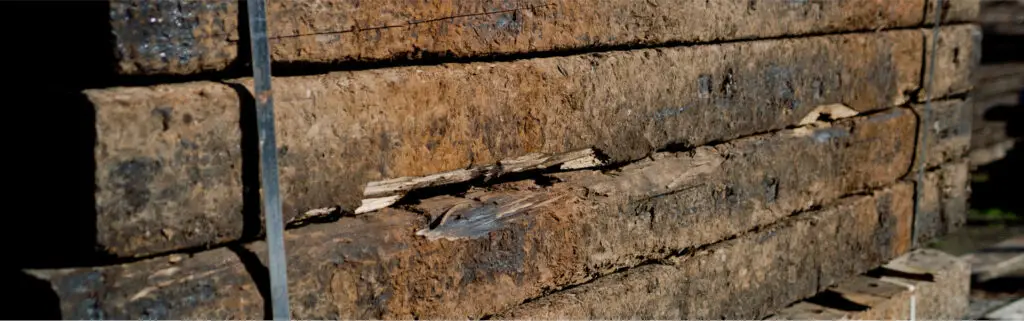
- Rustic Sleepers: Bring character and history to a garden, especially when paired with native plantings or established gardens. A little more consideration and preparation with installation to make best use of the quality, but they will offer an immediate rustic charm to any setting and is economical coverage too.
- Used Sleepers: An A or B graded sleeper will provide the best balance between a rustic finish with the shaping form of cleaner, newer sleepers. These are extremely durable even after their tenure on the rail network where their life shows through the timber imperfections like chips, knots, and stone indentations. Careful selection of what edges to used will blend the used character in with the design in mind.
- Clean-Cut Sleepers: New and unused sleepers are ideal for modern or minimalist designs. They offer crisp lines and a polished finish. Often considered flatter in both physical form and texture, but also in a visual sense where the colouring and soon-to-be rustic weathering is more subtle and refined.
So, are you are crafting a rustic retreat in the hills of Otago or refining a busy Wellington townhouse pathway, or may be something in between? Railway sleepers offer a timeless solution for edging that balances durability with design. Their versatility across raised, recessed, curved, or stacked formats makes them ideal for sculpting outdoor spaces with character and cohesion. From managing ground levels to defining pathways and planting zones, sleepers bring both structure and soul to your landscape, make it your own.
Choosing between weathered charm and clean-cut precision allows you to tailor the aesthetic to your garden’s personality. And with proper installation techniques and drainage planning, your edging will stand strong for decades to come.
Ready to transform your outdoor space with railway sleeper edging?
Contact Interlink Ltd today for expert advice, premium reclaimed sleepers, and tailored solutions that bring your garden vision to life.